🌍 A Smarter, Greener Future for Metal Industries
In today’s rapidly evolving industrial landscape, non-ferrous metal recycling has emerged as a crucial pillar of sustainable manufacturing. With rising environmental concerns, resource scarcity, and industrial demand, the recycling of aluminium, copper, zinc, and lead is not just a trend — it’s the future.
At Thakur Jii Industries, we’re proud to be part of this transformation, offering turnkey solutions and advanced machinery that help businesses transition into cleaner, more efficient operations.
🔄 Why Non-Ferrous Metal Recycling Matters
Unlike ferrous metals, non-ferrous metals do not contain iron and are more resistant to corrosion. They’re widely used in automotive, construction, electrical, and consumer goods industries. These metals:
- Retain their properties even after recycling
- Require significantly less energy to recycle than to extract
- Reduce environmental impact and carbon emissions
- Save costs for manufacturers over time
🚀 Key Trends Shaping the Future
1. Advanced Recycling Furnaces
Modern recycling furnaces are now more energy-efficient and automated, with smart control systems, faster melting rates, and reduced emissions. At Thakur Jii Industries, our furnaces are designed for optimal heat recovery and minimal fuel consumption.
2. Automated Scrap Charging Systems
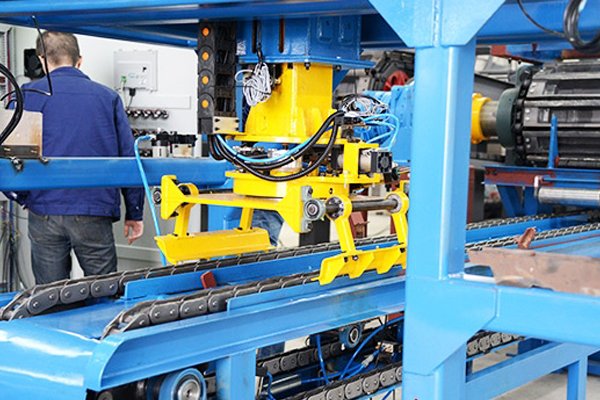
Manual scrap charging is being phased out in favor of automated scrap charging machines, which improve speed, safety, and operational consistency — especially important in high-volume recycling plants.
3. Digitalization & Smart Monitoring
The integration of IoT (Internet of Things) in recycling equipment allows real-time monitoring of temperature, gas emissions, and efficiency, helping plant managers make data-driven decisions and reduce downtime.
4. Closed-Loop Recycling Systems
Industries are moving toward closed-loop systems, where metal waste is recycled internally, minimizing reliance on external suppliers and reducing transport and energy costs.
5. Environmental Compliance Focus
Governments worldwide are tightening regulations on emissions and industrial waste. Air pollution control systems are no longer optional — they’re a necessity. Our APC systems help clients meet local and international environmental standards.